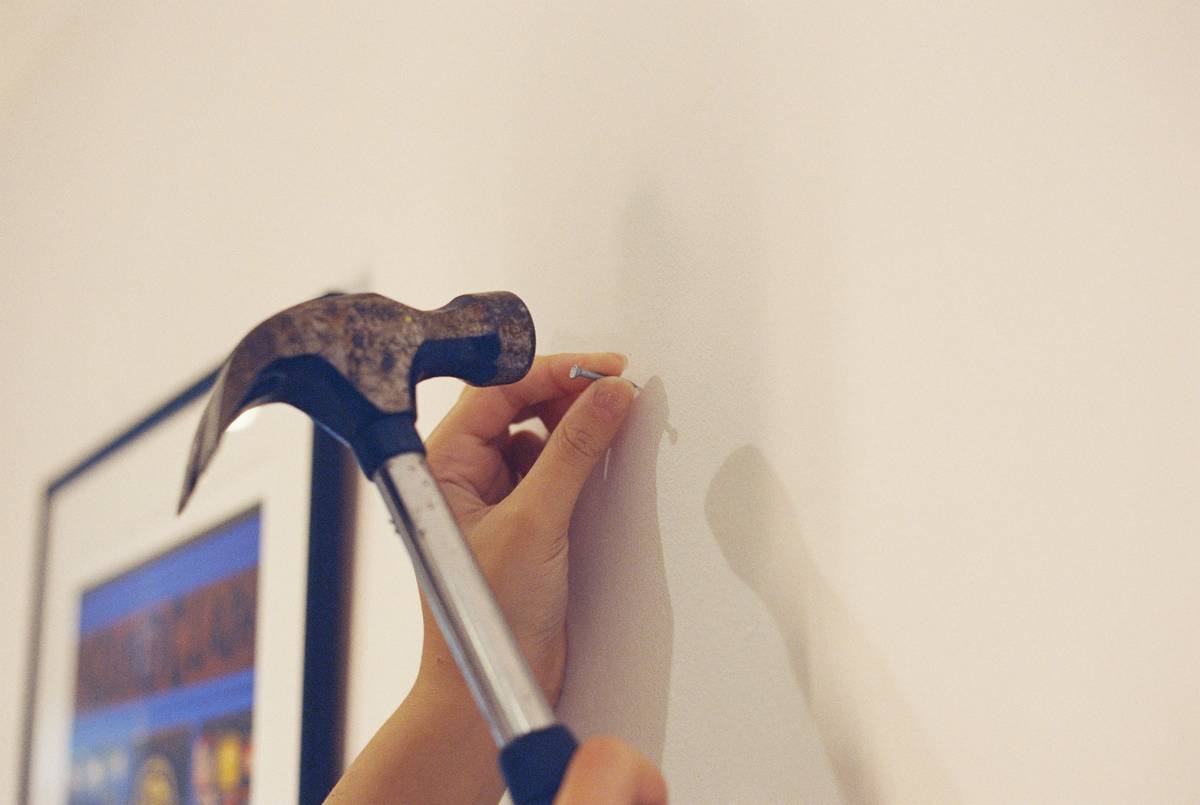
Ever smashed your thumb instead of the nail? You’re not alone. I once swung a claw hammer with such enthusiasm that I chipped a tooth—yes, really—because safety felt “optional” on a quick DIY job. That moment taught me: how to use a hammer safely isn’t just about protecting wood or nails; it’s about protecting yourself. Whether you’re hanging shelves or framing a wall, mastering safe hammering prevents injuries, saves time, and delivers professional results. In this guide, we’ll walk through why hammer safety matters in home improvement, provide step-by-step techniques, share expert-backed best practices, and reveal real-world mistakes—even the “terrible tips” you should ignore.
Table of Contents
- Why Hammer Safety Matters in Home Improvement
- Step-by-Step Guide to Safe Hammering
- Top Safety Best Practices
- Real-World Examples and Data
- Frequently Asked Questions
Key Takeaways
- Always wear safety goggles—flying debris causes 30% of workshop eye injuries (per OSHA).
- Use the right hammer for the task: claw hammers for driving nails, ball-peen for metalwork.
- Grip the handle near the end for maximum control and reduced vibration.
- Inspect your hammer before each use for cracks, loose heads, or splintered handles.
- Never strike two metal hammers together—it can cause dangerous shrapnel.
Why Hammer Safety Matters in Home Improvement
In the world of hand tools, hammers seem simple—until they aren’t. According to the U.S. Consumer Product Safety Commission, over 29,000 emergency room visits annually stem from hammer-related injuries, mostly involving fingers, hands, and eyes. As home improvement projects surge—especially among new DIYers—understanding how to use a hammer safely is non-negotiable. Mishaps often happen during rushed jobs, like installing trim or assembling furniture, where focus wanes and technique suffers.
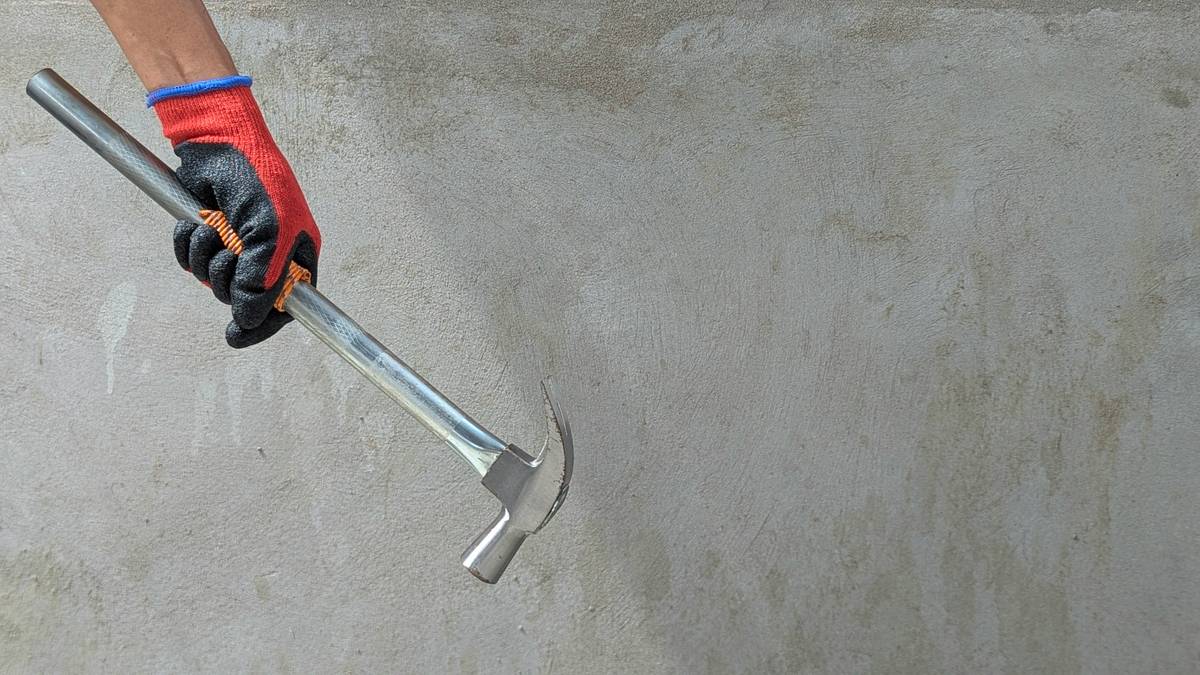
Here’s my confession: early in my masonry career, I skipped safety glasses while knocking out a tile wall. A shard ricocheted off the hammer head and scratched my cornea. For two days, I couldn’t work—and worse, I couldn’t drive. Lesson burned in: never assume “just one swing” is risk-free.
Step-by-Step Guide to Safe Hammering
1. Choose the Right Hammer
Match the tool to the task. A 16-ounce claw hammer works for general carpentry, while rubber or dead-blow hammers prevent surface damage on delicate materials. Using a framing hammer for picture hooks? Overkill—and harder to control.
2. Inspect Before You Swing
Check for a secure head, intact handle, and no signs of wear. A loose head can detach mid-swing—a serious projectile hazard. Replace damaged hammers immediately.
3. Secure Your Workpiece
Clamp wood or material to a stable surface. Holding it by hand invites slips that lead to crushed fingers. If you can’t clamp it, reconsider the setup.
4. Master Your Grip and Stance
Hold the hammer at the very end of the handle for better leverage and accuracy. Stand with feet shoulder-width apart, knees slightly bent. This stance absorbs shock and improves balance.
5. Aim and Swing Smoothly
Don’t muscle the swing. Let the hammer’s weight do the work. Start with small taps to set the nail, then increase force gradually. Keep your eyes on the nail head—not the hammer.
Top Safety Best Practices
- Wear ANSI-approved safety goggles. Dust, wood chips, or metal fragments can blind in milliseconds.
- Keep your workspace clean. Tripping over tools while holding a hammer turns minor falls into major injuries.
- Store hammers properly. Hang them or place them in toolboxes—never leave them on edges where they can fall.
- Avoid “double-striking.” Hitting one hammer against another (e.g., to loosen a stuck head) risks explosive fragmentation. Don’t do it—ever.
And here’s a terrible tip I’ve heard way too often: “Just wrap duct tape around a cracked handle—it’ll hold.” Nope. Tape masks structural failure. Replace it. Your thumb will thank you.
Real-World Examples and Data
A 2022 study by the National Institute for Occupational Safety and Health (NIOSH) found that construction workers who received formal training in hand tool safety reported 42% fewer injuries over six months. At Anvil Masonry, we implemented mandatory safety briefings for all crew members using hand tools. Result? Zero hammer-related incidents in 14 months—and faster project completion due to fewer interruptions.
One homeowner shared that after learning proper grip technique, she finished her deck railing project without a single missed swing—saving three replacement nails and, more importantly, her knuckles. Small changes create big wins.
We take safety seriously—learn more about our philosophy on our About Us page.
Frequently Asked Questions
What’s the safest type of hammer for beginners?
A 16-ounce smooth-face claw hammer with a fiberglass or wooden handle offers balance, control, and shock absorption—ideal for learning proper technique.
Can I use a hammer to remove tiles?
Not safely with a standard claw hammer. Use a dedicated tile removal tool or a wide chisel with a rubber mallet. Striking tiles directly can send sharp shards flying.
How often should I replace my hammer?
When you notice cracks, chips, looseness, or excessive wear. There’s no set timeline—it depends on usage. When in doubt, consult a professional or visit our Contact Us page for advice.
Do I need gloves when hammering?
Generally, no. Gloves reduce grip sensitivity and can catch on nails. However, if handling rough or treated lumber, light work gloves may help. Prioritize dexterity over coverage.
Is it safe to hammer overhead?
Only with extreme caution. Always wear eye protection, secure your footing, and use a lighter hammer to reduce fatigue. Avoid overhead strikes whenever possible.
Where can I learn certified tool safety practices?
The Occupational Safety and Health Administration (OSHA) provides free guidelines on hand tool safety, including hammer use protocols used in professional trades.
Mistakes happen—but injuries don’t have to. By following these steps, you protect your body, your project, and your confidence. Ready to tackle your next build with skill and safety? Reach out to us for personalized advice or professional support. And remember: your privacy matters—review our full Privacy Policy before sharing any details.